Blinds
The goal of this project was to automate the blinds for my bedroom windows. Every part of the hardware is self-made. A big part of completing this project was creating a gear system that converts the motor's input to an appropriate speed/torque output. All the parts needed for this project are 3D-printed. It was especially tricky to print the gearbox parts accurately and make them interact correctly with each other (back then, Bambu Lab machines didn't exist yet).
Looking back, I would have chosen different tools and approached the problem differently, which likely would have made the process easier and faster. However, realizing this is a positive outcome—I'd say it shows that you learned from the experience and improved your skills.
Video of the 3-stage gearbox (with slo-mo footage):
Pictures of the control unit:
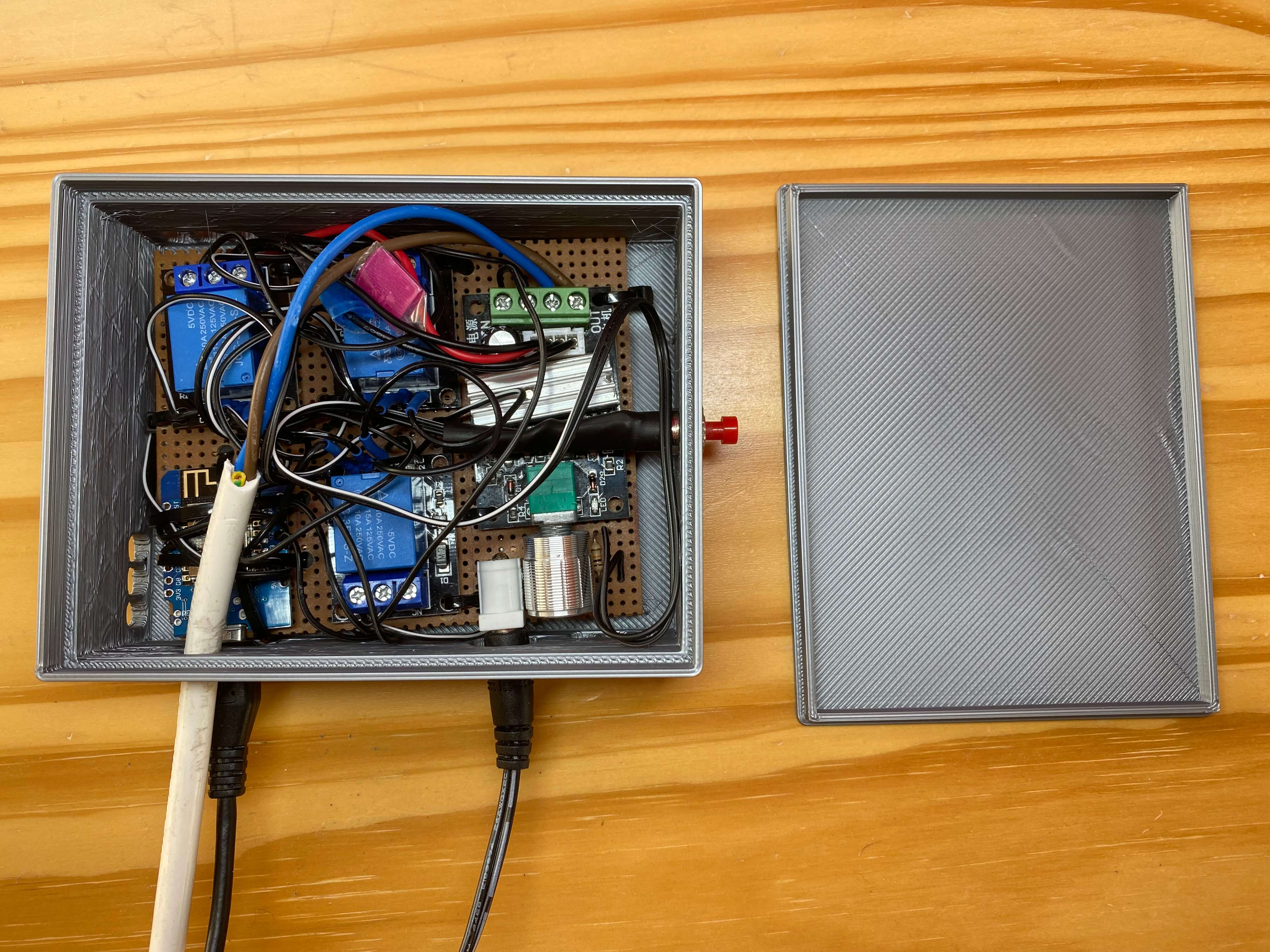
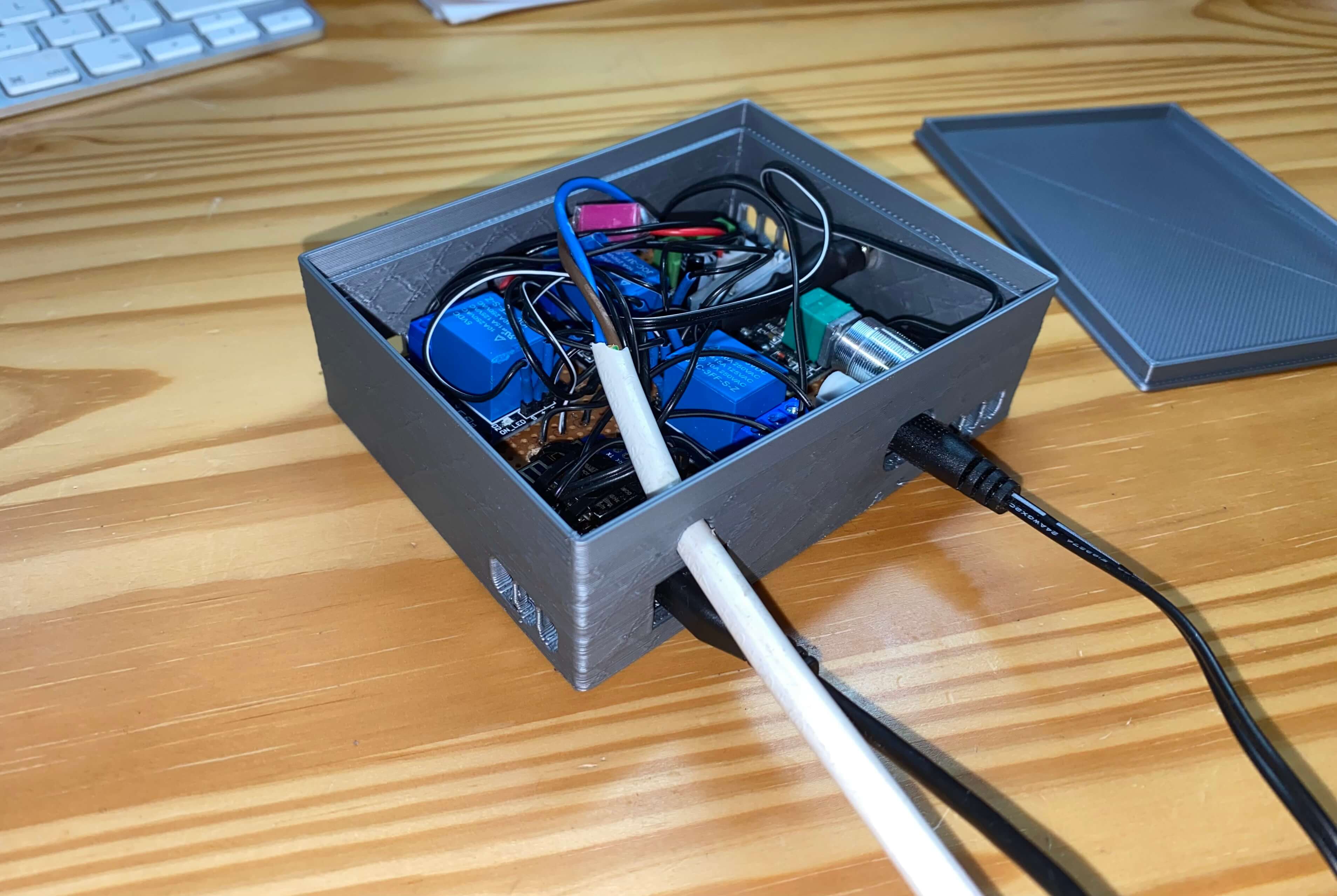
It includes relays, a motor driver, an IR sensor (outside the box, connected via a long cable and placed at the top of the window), and a microcontroller. Its jobs are: turning the motor on and off, controlling the motor voltage/speed, switching the motor direction using DPDT, allowing remote control via your phone, and braking the motor so that it doesn't run in reverse when at rest (regenerative braking).
Renders of the gearbox 3D model:
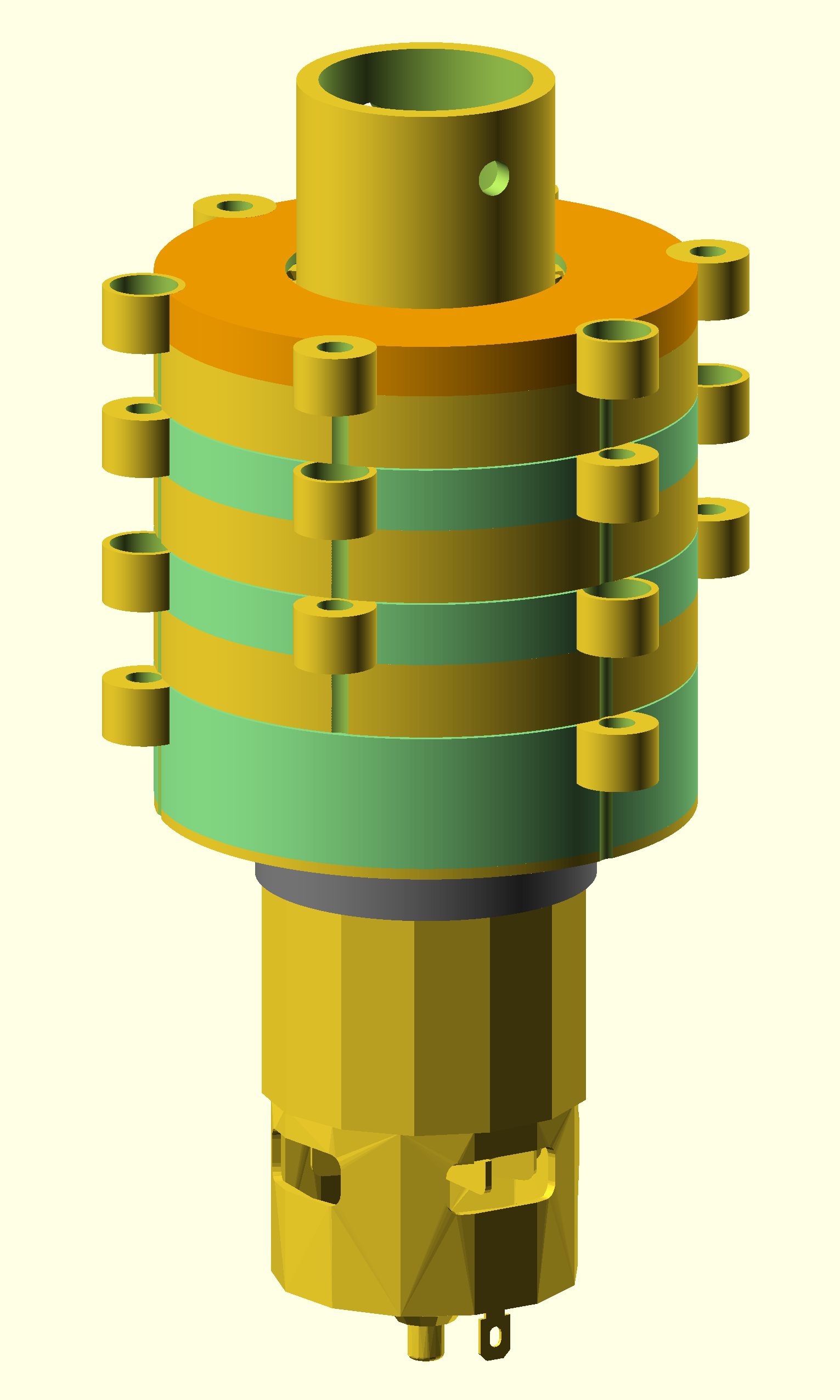
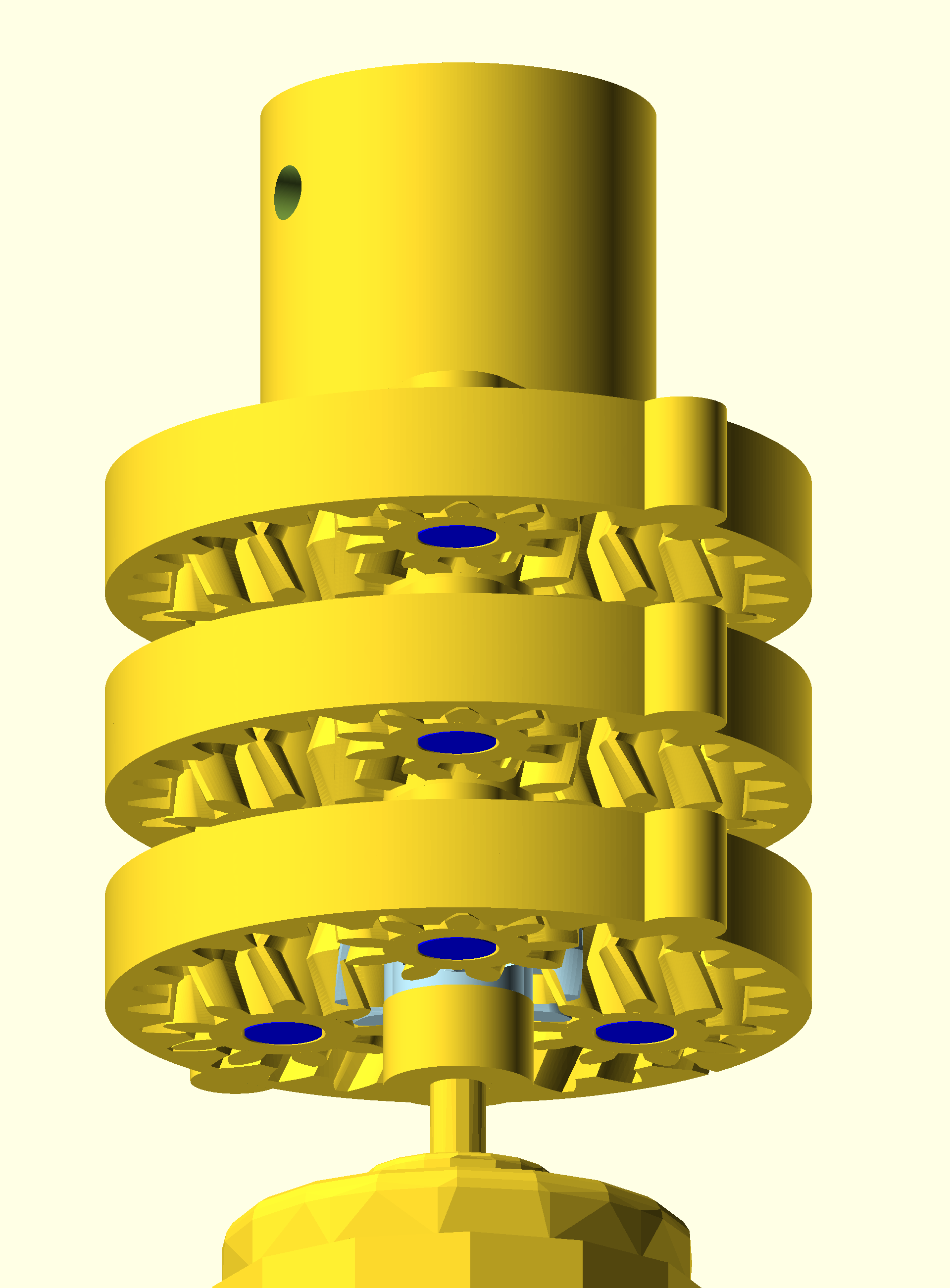
The 3D models were created using OpenSCAD. Using Fusion 360 would have been easier, but because I learned OpenSCAD first, it gave me a good starting point and understanding before moving to Fusion.
I described my design decisions in this PDF:
I probably won't write such detailed descriptions for future projects, as they aren't really necessary and take a bunch of time.
Final Result
... also works as an alarm clock ...